Treated by Dr. Sriharsha Gurram at Dr Sriharsha Gurram
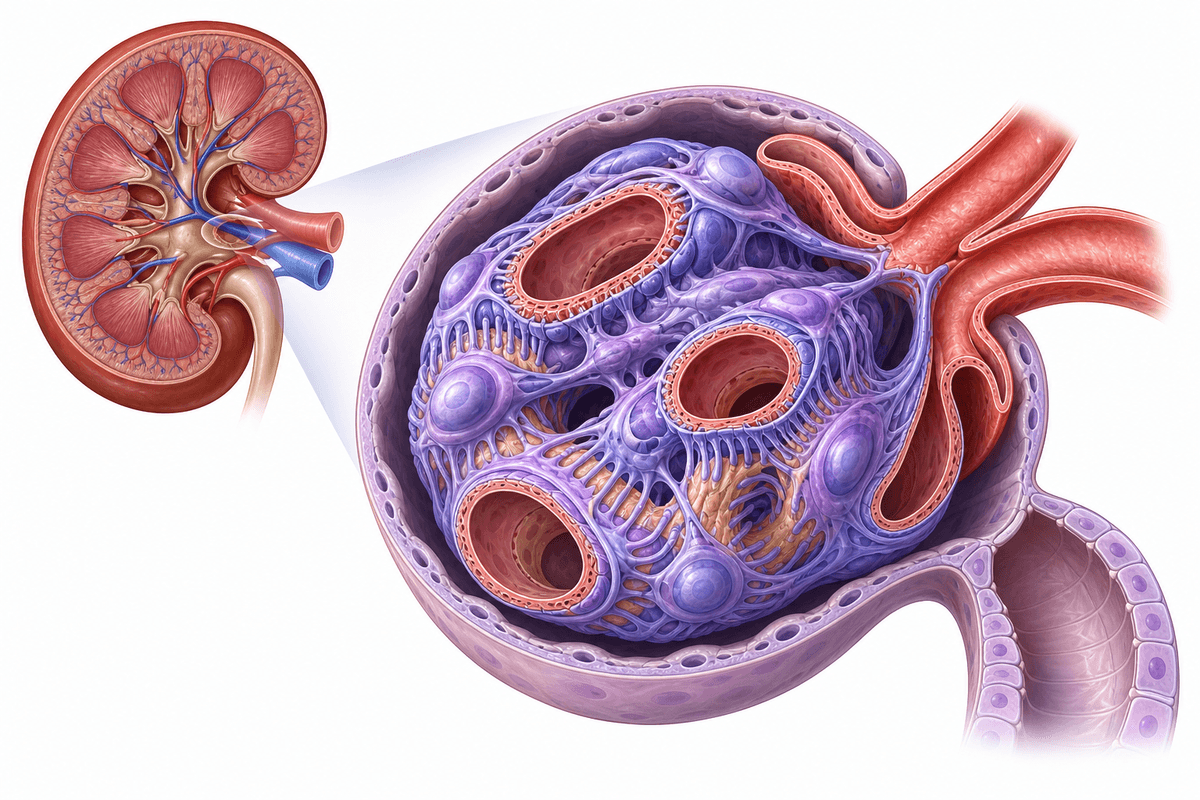
Minimal Change Disease is a kidney disorder commonly seen in Bengaluru that causes the kidneys to leak large amounts of protein into the urine, leading to nephrotic syndrome. It is the most common cause of nephrotic syndrome in children, though it can also affect adults. The condition gets its name because the kidney tissue appears nearly normal under a standard microscope, with changes only visible under electron microscopy. Dr Sriharsha Gurram provides comprehensive evaluation and personalized treatment for patients with Minimal Change Disease at his nephrology practice.
The most common form occurring in children between ages 2-6 years, accounting for 70-90% of nephrotic syndrome cases in this age group. Typically responds well to corticosteroid therapy with excellent long-term prognosis.
Less common form affecting adults, accounting for 10-15% of adult nephrotic syndrome cases. May have a more variable response to treatment and higher relapse rates compared to childhood cases.
Occurs as a result of other conditions such as medications (NSAIDs, antibiotics), malignancies (Hodgkin lymphoma), allergies, or infections. Requires treatment of the underlying cause in addition to managing proteinuria.
Multiple factors can contribute to the development and progression of this condition.
Minimal Change Disease develops gradually. Recognising symptoms early gives you more treatment options.
From conservative to surgical — we always start with the least invasive option first.
A structured, patient-first approach from first visit to full recovery.
Dr Sriharsha Gurram conducts detailed assessment including urinalysis, 24-hour urine protein quantification, serum albumin levels, lipid profile, and kidney function tests. A kidney biopsy with electron microscopy is performed when indicated to confirm Minimal Change Disease and exclude other glomerular disorders.
Based on the patient's age, severity of proteinuria, previous treatment responses, and comorbidities, Dr Gurram develops an individualized treatment protocol. This includes selecting appropriate corticosteroid regimens or immunosuppressive agents, determining optimal dosing schedules, and establishing realistic treatment goals.
Dr Gurram implements regular monitoring protocols including home urine dipstick testing, periodic laboratory assessments of protein levels, kidney function, and medication side effects. Patients are educated on recognizing early signs of relapse and when to seek immediate medical attention.
Dr Gurram provides ongoing management to prevent relapses through careful medication tapering, lifestyle modifications, infection prevention strategies, and prompt treatment of any triggers. He coordinates long-term follow-up care with appropriate adjustments to therapy based on disease activity and treatment response.
What to expect at each phase of recovery.
During corticosteroid therapy, most patients achieve complete remission with resolution of proteinuria and edema within 4-8 weeks. Urine protein levels are monitored closely, and patients typically experience significant improvement in swelling and energy levels. Regular follow-ups ensure treatment efficacy and early detection of side effects.
After achieving remission, steroid doses are gradually reduced over several months to minimize side effects while maintaining disease control. Patients continue regular monitoring for early signs of relapse. This phase focuses on balancing disease control with minimizing medication-related complications and supporting normal activities.
Many patients remain in sustained remission, while others may experience occasional relapses requiring treatment adjustments. Long-term care involves periodic check-ups, monitoring for late complications, optimizing cardiovascular health, and maintaining kidney function. Patients learn to recognize relapse symptoms and maintain healthy lifestyle habits to support kidney health.
Over 90% of children and 80% of adults achieve complete remission with corticosteroid therapy, with resolution of proteinuria and edema. Most patients return to normal kidney function and quality of life with appropriate treatment.
The majority of patients with Minimal Change Disease maintain normal kidney function long-term, even those experiencing multiple relapses. Progressive kidney failure is rare when the condition is properly managed with appropriate immunosuppression.
While 50-70% of patients experience at least one relapse, these episodes typically respond well to retreatment. Steroid-sparing agents and newer therapies like rituximab effectively reduce relapse frequency and maintain prolonged remissions.
With effective treatment, patients experience significant improvement in symptoms, physical function, and overall well-being. Most children achieve normal growth and development, while adults return to regular activities and work without significant lifestyle limitations.
Untreated Minimal Change Disease leads to persistent nephrotic syndrome with severe complications including life-threatening infections, blood clots, acute kidney injury from hypovolemia, and malnutrition from protein loss. Children may experience growth retardation and developmental delays. While the disease rarely causes permanent kidney damage on its own, prolonged untreated nephrotic syndrome can result in secondary complications that affect multiple organ systems and significantly impact quality of life.
Seek immediate medical attention if you or your child develops foamy urine, significant swelling around the eyes or in the legs and ankles, unexplained weight gain, or reduced urine output. For patients already diagnosed with Minimal Change Disease, contact Dr Sriharsha Gurram promptly if you notice signs of relapse such as return of proteinuria on home testing, new or worsening edema, or symptoms of infection. Early intervention during relapses improves outcomes and prevents complications.
Early treatment means more options and better outcomes. Book a consultation to understand your condition and explore the right path forward.
Consult Sriharsha Gurram for Minimal Change Disease at any of these 2 centres — pick the one nearest you.