Treated by Dr. Sriharsha Gurram at Dr Sriharsha Gurram
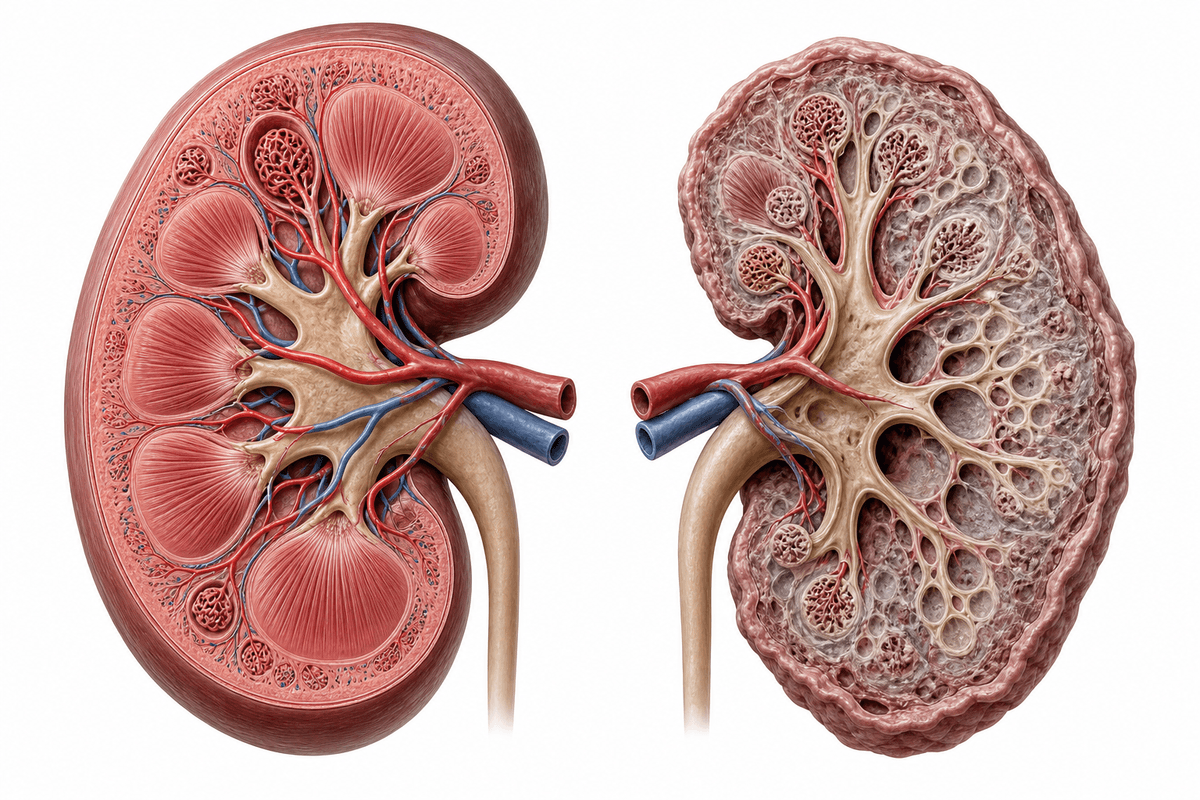
Chronic Kidney Disease (CKD) is a progressive condition affecting kidney function in patients across Bengaluru, characterized by gradual loss of kidney filtering capacity over months to years. The disease progresses through five stages, from mild kidney damage to complete kidney failure requiring dialysis or transplantation. Dr Sriharsha Gurram provides comprehensive nephrology care for CKD patients, offering personalized treatment plans to slow disease progression and manage complications effectively.
Early kidney disease with normal or mildly reduced kidney function (GFR >60 ml/min) but evidence of kidney damage through protein in urine or structural abnormalities. Patients often have no symptoms and the condition is detected through routine screening.
Moderate to severe kidney function decline (GFR 15-59 ml/min) with accumulation of waste products in blood. Patients experience symptoms like fatigue, swelling, and blood pressure changes requiring active medical management to prevent further deterioration.
Kidney failure with GFR below 15 ml/min where kidneys have lost most of their function. Patients require renal replacement therapy through dialysis or kidney transplantation to maintain life, along with comprehensive management of multiple complications.
Multiple factors can contribute to the development and progression of this condition.
Chronic Kidney Disease develops gradually. Recognising symptoms early gives you more treatment options.
From conservative to surgical — we always start with the least invasive option first.
A structured, patient-first approach from first visit to full recovery.
Dr Sriharsha Gurram conducts detailed evaluation including blood tests for creatinine and GFR, urine analysis for protein and albumin, kidney ultrasound, and assessment of underlying causes like diabetes or hypertension to accurately stage CKD and identify reversible factors.
Based on CKD stage and individual patient factors, Dr Gurram develops customized treatment protocols including medication optimization, dietary counseling, blood pressure and diabetes management, and kidney-protective strategies to slow disease progression and prevent complications.
Scheduled follow-up appointments with systematic monitoring of kidney function, electrolytes, anemia, bone health, and cardiovascular risk factors. Dr Gurram proactively manages complications including anemia, mineral bone disorders, fluid overload, and cardiovascular disease through targeted interventions.
For patients progressing to advanced CKD, Dr Sriharsha Gurram provides timely dialysis access planning, detailed explanation of dialysis modality options, transplant evaluation referral, and comprehensive preparation to ensure smooth transition to renal replacement therapy when indicated.
What to expect at each phase of recovery.
Focus on aggressive risk factor modification with lifestyle changes, medication adherence, and regular monitoring every 3-6 months. Patients typically maintain good quality of life with minimal symptoms while working to slow disease progression through optimal medical management.
Preparation for renal replacement therapy including patient education about dialysis options, vascular access creation, dietary restrictions intensification, and more frequent monitoring. Patients learn self-management skills and adjust to increasing treatment demands while maintaining independence.
Adjustment period to dialysis routine or post-transplant recovery lasting 3-6 months. Patients work with the nephrology team to optimize dialysis adequacy, manage medication regimens, adapt to dietary changes, and achieve stable health status with improved symptom control.
With early intervention and optimal medical management, kidney function decline can be significantly slowed, potentially postponing or avoiding the need for dialysis or transplantation by several years while maintaining quality of life.
Effective management of CKD complications including anemia, fluid overload, electrolyte imbalances, and metabolic bone disease leads to reduced fatigue, better energy levels, decreased swelling, and overall improved daily functioning.
Patients on dialysis achieve adequate toxin removal, fluid balance, and electrolyte control with well-functioning vascular access, minimal complications, and ability to maintain employment or daily activities with appropriate treatment scheduling.
Comprehensive CKD care results in better cardiovascular outcomes, reduced hospitalization rates, improved nutritional status, maintained independence, and better psychological well-being through patient education, support, and individualized treatment approaches.
Untreated Chronic Kidney Disease progresses inevitably to complete kidney failure requiring emergency dialysis, with life-threatening complications including severe fluid overload causing pulmonary edema, dangerous electrolyte imbalances like hyperkalemia causing cardiac arrest, severe anemia, uncontrolled hypertension leading to stroke, and uremic toxin accumulation causing seizures and coma. Without treatment, end-stage kidney disease is fatal, and delayed intervention results in worse outcomes, increased complications, prolonged hospitalization, and reduced survival even after starting dialysis.
Seek immediate consultation with Dr Sriharsha Gurram if you have risk factors like diabetes or hypertension with new-onset swelling, decreased urine output, blood in urine, persistent fatigue, or unexplained nausea. Early evaluation is crucial if routine blood tests show elevated creatinine or reduced kidney function, if you have family history of kidney disease, or if you experience symptoms like foamy urine, difficulty concentrating, or worsening blood pressure control. Patients with known CKD should maintain regular follow-up appointments and contact the clinic immediately for severe symptoms like shortness of breath, chest pain, confusion, or inability to urinate.
Early treatment means more options and better outcomes. Book a consultation to understand your condition and explore the right path forward.
Consult Sriharsha Gurram for Chronic Kidney Disease at any of these 2 centres — pick the one nearest you.