Performed by Dr. Sriharsha Gurram at Dr Sriharsha Gurram
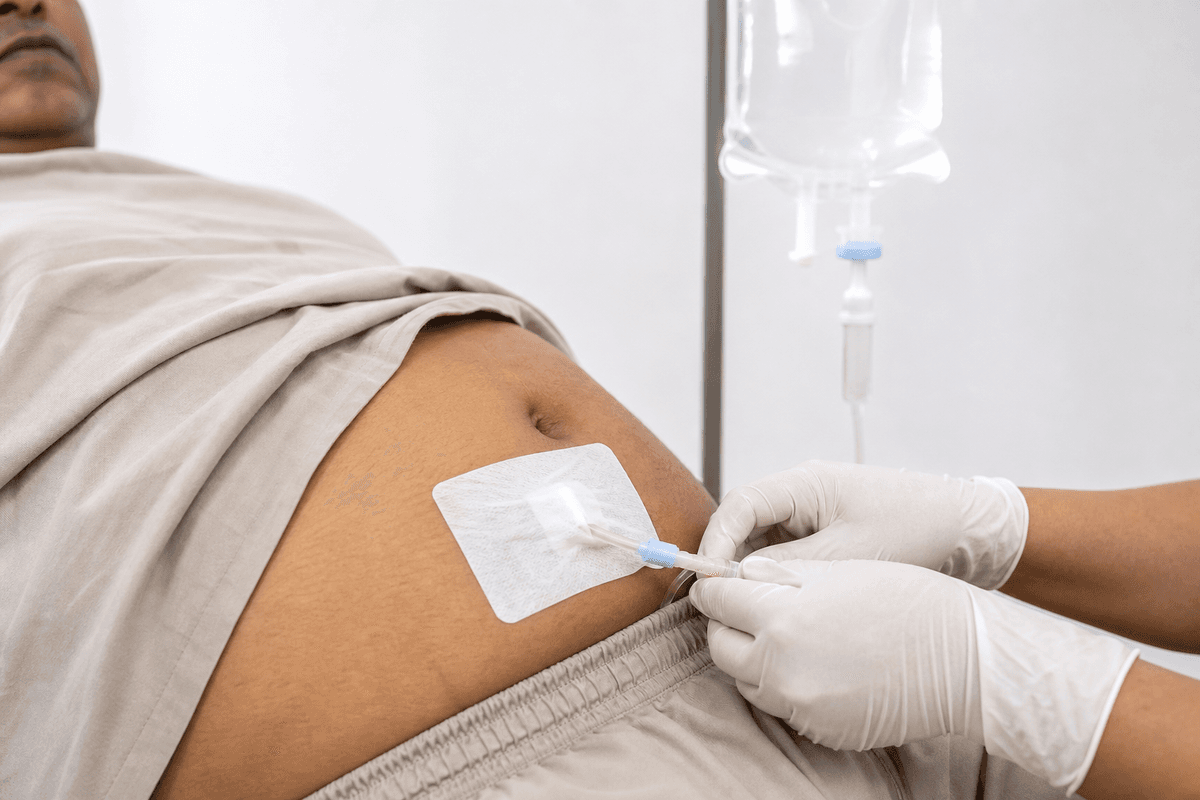
Peritoneal Dialysis in Bengaluru is an effective home-based treatment for patients with kidney failure that uses the peritoneal membrane in the abdomen to filter waste and excess fluid from the blood. This gentle, continuous dialysis method offers greater flexibility and independence compared to conventional hemodialysis, allowing patients to maintain their daily routines while managing kidney disease. Dr Sriharsha Gurram provides comprehensive peritoneal dialysis care with personalized training and ongoing support.
We believe in honest, upfront disclosure so you can make an informed decision.
A step-by-step look at what happens during this procedure.
A soft, flexible catheter is surgically inserted into the peritoneal cavity through the abdominal wall under local anesthesia with sedation, creating a permanent access point for dialysis fluid exchange.
Sterile dialysis solution (dialysate) is infused through the catheter into the peritoneal cavity, typically 2-3 liters, where it remains for a prescribed dwell time to allow waste removal.
The peritoneal membrane acts as a natural filter, allowing waste products, toxins, and excess fluid from the blood to pass into the dialysate solution through osmosis and diffusion.
After the dwell period (usually 4-6 hours), the used dialysate containing filtered waste is drained from the abdomen by gravity through the catheter into a drainage bag.
Fresh dialysate is infused to begin the next exchange cycle, with this process repeated 3-5 times daily for CAPD or automatically overnight for APD, providing continuous kidney function replacement.
A structured, patient-first approach from first consultation to full recovery.
Dr Sriharsha Gurram conducts thorough evaluation including kidney function tests, peritoneal membrane assessment, and screening for contraindications to determine suitability for peritoneal dialysis and create an individualized treatment plan.
Using advanced laparoscopic or traditional surgical techniques, Dr Gurram places the peritoneal dialysis catheter with meticulous attention to positioning and exit site location to minimize complications and ensure optimal long-term function.
Dr Gurram's specialized nursing team provides hands-on training over 1-2 weeks, teaching patients and caregivers proper exchange technique, infection prevention, catheter care, and troubleshooting to ensure confidence and independence.
Regular follow-up appointments with Dr Gurram include peritoneal equilibration tests, adequacy assessments, nutritional counseling, and prescription adjustments to optimize dialysis efficiency and maintain patient health and quality of life.
What to expect at each stage of your recovery journey.
First 2-3 weeks after catheter placement focus on incision healing and exit site care. Patients avoid heavy lifting and strenuous activities while the catheter tunnel matures. Light exchanges may begin after 2 weeks if needed urgently, though 4-6 weeks healing is preferred.
Weeks 3-8 involve comprehensive training on sterile technique, exchange procedures, and complication recognition. Patients gradually build confidence and independence while adjusting to abdominal fullness. The body adapts to regular dialysate exposure and glucose absorption.
After completing training, patients manage dialysis independently at home with monthly clinic visits. They maintain normal daily activities, work, and travel while performing 3-5 exchanges daily or using automated cycler overnight. Regular monitoring ensures optimal kidney function replacement and quality of life.
Peritoneal dialysis successfully removes uremic toxins, excess fluid, and electrolyte imbalances, maintaining metabolic balance and preventing complications of kidney failure while preserving residual kidney function longer than hemodialysis.
Patients experience greater freedom and flexibility with home-based treatment, avoiding frequent hospital visits, maintaining employment, traveling easily, and enjoying better dietary freedom with gentler, continuous fluid and electrolyte management.
The gradual, continuous nature of peritoneal dialysis provides superior blood pressure control and hemodynamic stability compared to intermittent hemodialysis, reducing cardiovascular stress and improving outcomes for patients with heart conditions.
By avoiding repeated vascular punctures, peritoneal dialysis preserves blood vessels for potential future needs, serves as an excellent bridge to kidney transplantation, and provides a viable long-term dialysis option with proper catheter maintenance.
Let's clear up some of the most common myths about peritoneal dialysis.
Get a personalised assessment from an experienced specialist. Understand your options, ask your questions, and decide with confidence.
Consult Sriharsha Gurram for Peritoneal Dialysis at any of these 2 centres — pick the one nearest you.