Treated by Dr. Sriharsha Gurram at Dr Sriharsha Gurram
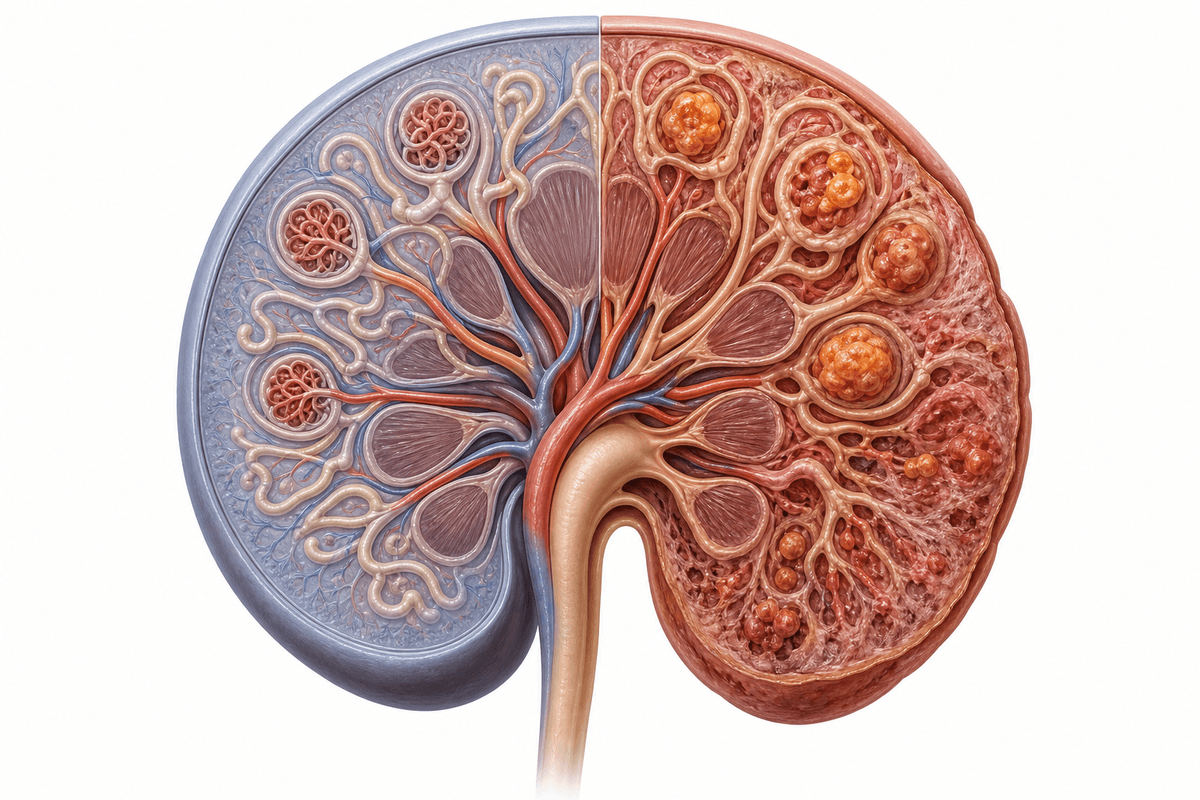
Diabetic Kidney Disease, also known as diabetic nephropathy, affects many diabetes patients in Bengaluru and occurs when high blood sugar levels damage the kidneys' filtering units over time. This progressive condition can lead to kidney failure if left untreated, but early detection and proper management can significantly slow its progression. Dr Sriharsha Gurram provides comprehensive nephrology care for diabetic kidney disease patients.
Early stage characterized by small amounts of albumin protein leaking into urine (30-300 mg/day). Kidney function remains largely normal, and this stage is potentially reversible with aggressive treatment of blood sugar and blood pressure.
Advanced stage with larger amounts of protein in urine (>300 mg/day), indicating significant kidney damage. Blood pressure typically rises, and kidney function begins to decline progressively, requiring intensive medical management.
Final stage where kidneys lose most of their filtering capacity (GFR <15 ml/min). Patients require renal replacement therapy such as dialysis or kidney transplantation to sustain life as kidneys can no longer remove waste products effectively.
Multiple factors can contribute to the development and progression of this condition.
Diabetic Kidney Disease develops gradually. Recognising symptoms early gives you more treatment options.
From conservative to surgical — we always start with the least invasive option first.
A structured, patient-first approach from first visit to full recovery.
Dr Sriharsha Gurram conducts detailed evaluation including serum creatinine, eGFR calculation, urine albumin-to-creatinine ratio, complete metabolic panel, and kidney ultrasound to accurately stage diabetic kidney disease and identify any complications requiring immediate attention.
Based on kidney function stage and individual patient factors, Dr Gurram designs a customized treatment protocol that includes optimal medication selection (ACE/ARB, SGLT2 inhibitors), blood pressure targets, dietary modifications, and glucose control strategies to maximize kidney protection.
Dr Sriharsha Gurram schedules frequent follow-up appointments with regular lab testing to track disease progression, assess treatment effectiveness, adjust medications as needed, and promptly address any complications such as anemia, bone disease, or electrolyte imbalances.
When kidney function deteriorates to advanced stages, Dr Gurram timely initiates dialysis access planning, educates patients about renal replacement options, arranges transplant evaluation if appropriate, and ensures smooth transition to dialysis or transplant care with comprehensive support.
What to expect at each phase of recovery.
Focus on lifestyle modifications, medication initiation, and blood sugar stabilization. Patients adapt to dietary restrictions and new medication regimens. Kidney function is monitored monthly initially, with most patients showing stabilization or slowed progression within 3-6 months of optimal treatment.
Continuous medical management with quarterly follow-ups for stable patients. Emphasis on maintaining target blood pressure, glucose control, and minimizing cardiovascular risk. Patients develop sustainable lifestyle habits and medication adherence patterns that preserve remaining kidney function for years.
For advanced cases requiring dialysis or transplant, patients undergo education, access creation, and gradual adaptation to new treatment modality. Post-dialysis or post-transplant patients require intensive monitoring initially, then gradually transition to routine long-term care with improved quality of life.
With optimal treatment including SGLT2 inhibitors and ACE/ARB therapy, most patients experience 30-50% reduction in progression rate to end-stage kidney disease, potentially delaying dialysis need by several years and preserving quality of life.
Targeted antihypertensive therapy achieves blood pressure goals in over 70% of patients, reducing protein leakage by 35-45% and significantly decreasing cardiovascular event risk, which is the leading cause of mortality in diabetic kidney disease.
Patients starting dialysis with proper preparation and timely initiation demonstrate better nutritional status, fewer hospitalizations, and improved survival rates. Peritoneal dialysis offers flexibility for working patients, while hemodialysis provides efficient thrice-weekly treatment.
Kidney transplant recipients with diabetic kidney disease achieve 5-year graft survival rates of 75-85%, with significantly improved quality of life, freedom from dialysis, and better long-term outcomes compared to remaining on dialysis indefinitely.
Untreated diabetic kidney disease progresses relentlessly to end-stage kidney failure requiring dialysis or transplantation, typically within 5-10 years of diagnosis. Patients face life-threatening complications including severe fluid overload, dangerous electrolyte imbalances (hyperkalemia), uremic toxins accumulation affecting brain function, severe anemia, and dramatically increased cardiovascular disease risk. Without treatment, survival rates decline significantly, and quality of life deteriorates substantially with increasing symptom burden.
Consult Dr Sriharsha Gurram immediately if you have diabetes and notice foamy urine, unexplained swelling in legs or face, persistent fatigue, or elevated blood pressure readings. All diabetic patients should undergo annual kidney function screening with serum creatinine and urine albumin testing, starting at diagnosis for type 2 diabetes or after 5 years for type 1 diabetes. Early detection and treatment can prevent or significantly delay progression to kidney failure.
Early treatment means more options and better outcomes. Book a consultation to understand your condition and explore the right path forward.
Consult Sriharsha Gurram for Diabetic Kidney Disease at any of these 2 centres — pick the one nearest you.