Performed by Dr. Sriharsha Gurram at Dr Sriharsha Gurram
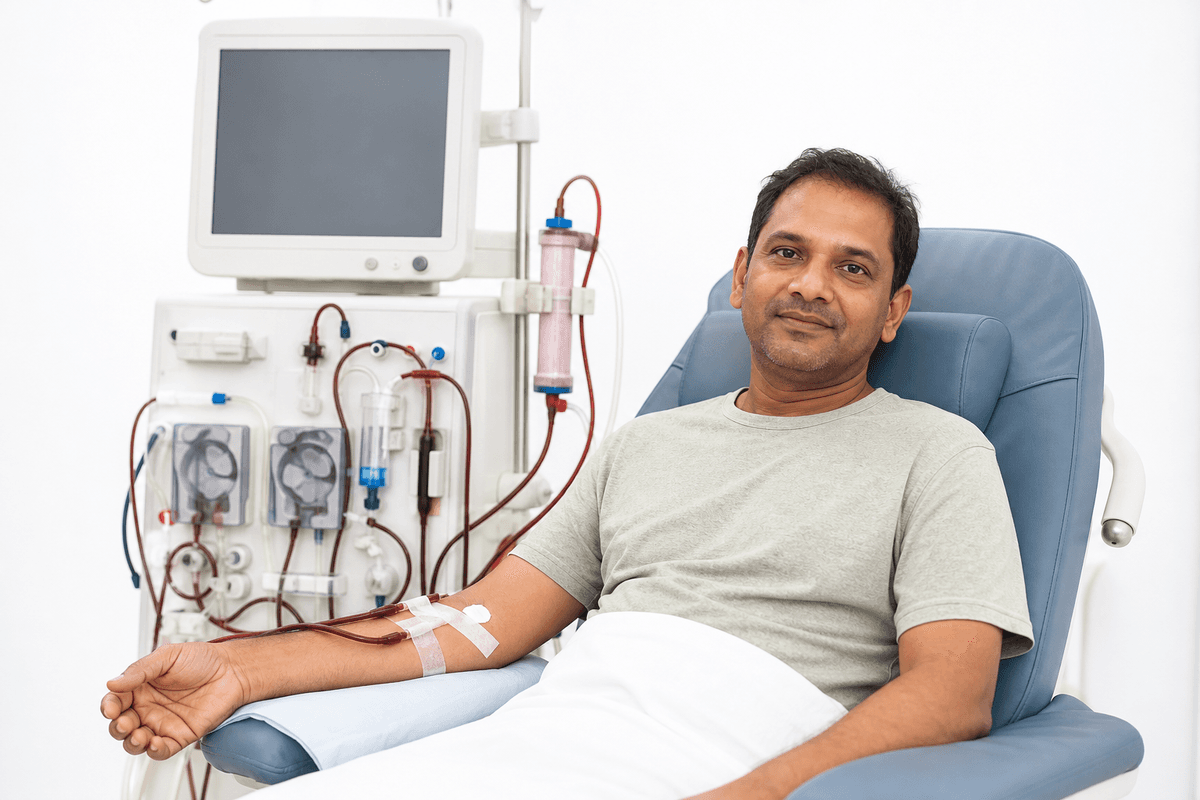
Hemodialysis in Bengaluru is a life-sustaining treatment that filters waste products and excess fluids from the blood when kidneys can no longer perform this function effectively. This procedure uses a specialized machine and dialyzer to cleanse the blood, typically performed three times per week for patients with end-stage renal disease or acute kidney injury. Dr Sriharsha Gurram provides comprehensive hemodialysis services with personalized treatment protocols and close monitoring to ensure optimal patient outcomes.
We believe in honest, upfront disclosure so you can make an informed decision.
A step-by-step look at what happens during this procedure.
Blood is accessed through an arteriovenous fistula, graft, or central venous catheter that has been surgically created or placed for dialysis purposes.
Blood is drawn from the body through one needle and pumped into the dialysis machine at a controlled flow rate, typically 300-500 ml per minute.
The dialyzer membrane separates blood from dialysate solution, allowing waste products, excess fluids, and electrolytes to pass through while retaining blood cells and proteins.
Purified blood is continuously returned to the body through a second needle while the dialysate containing removed toxins is discarded as waste.
Vital signs, blood flow rates, and fluid removal are monitored throughout the 3-4 hour session until the prescribed treatment goals are achieved.
A structured, patient-first approach from first consultation to full recovery.
Dr Sriharsha Gurram conducts thorough evaluation of kidney function, comorbidities, and vascular access options to develop an individualized dialysis prescription tailored to each patient's needs.
Our facility utilizes state-of-the-art hemodialysis machines with high-flux dialyzers, ultrapure water systems, and real-time monitoring to ensure optimal treatment efficacy and patient safety.
Dr Gurram personally oversees treatment protocols, regularly reviews laboratory parameters, and adjusts dialysis prescriptions to maintain optimal fluid status, electrolyte balance, and toxin clearance.
Beyond dialysis sessions, we provide comprehensive nutritional counseling, medication management, vascular access surveillance, and psychosocial support to enhance quality of life and treatment outcomes.
What to expect at each stage of your recovery journey.
Patients may experience mild fatigue and require 1-2 hours of rest after each session. Blood pressure and access site are checked before discharge, and patients can typically resume normal activities within a few hours.
Most patients return to regular daily activities including work and light exercise. Fluid and dietary restrictions must be maintained, and patients monitor weight, blood pressure, and access site condition at home.
With regular dialysis, patients achieve stable health status and improved quality of life. Monthly laboratory monitoring, quarterly access assessments, and annual cardiovascular evaluations ensure optimal long-term outcomes.
Effective removal of uremic toxins, creatinine, and urea maintains blood chemistry within safe parameters and prevents complications of kidney failure.
Controlled ultrafiltration removes excess fluid accumulated between sessions, preventing edema, hypertension, and congestive heart failure.
Dialysis corrects dangerous electrolyte imbalances including hyperkalemia, metabolic acidosis, and hyperphosphatemia that can cause cardiac arrhythmias and other complications.
Regular hemodialysis alleviates uremic symptoms including nausea, fatigue, and confusion, allowing patients to maintain employment, social activities, and independence while awaiting transplantation or as long-term therapy.
Let's clear up some of the most common myths about hemodialysis.
Get a personalised assessment from an experienced specialist. Understand your options, ask your questions, and decide with confidence.
Consult Sriharsha Gurram for Hemodialysis at any of these 2 centres — pick the one nearest you.