Treated by Dr. Sriharsha Gurram at Dr Sriharsha Gurram
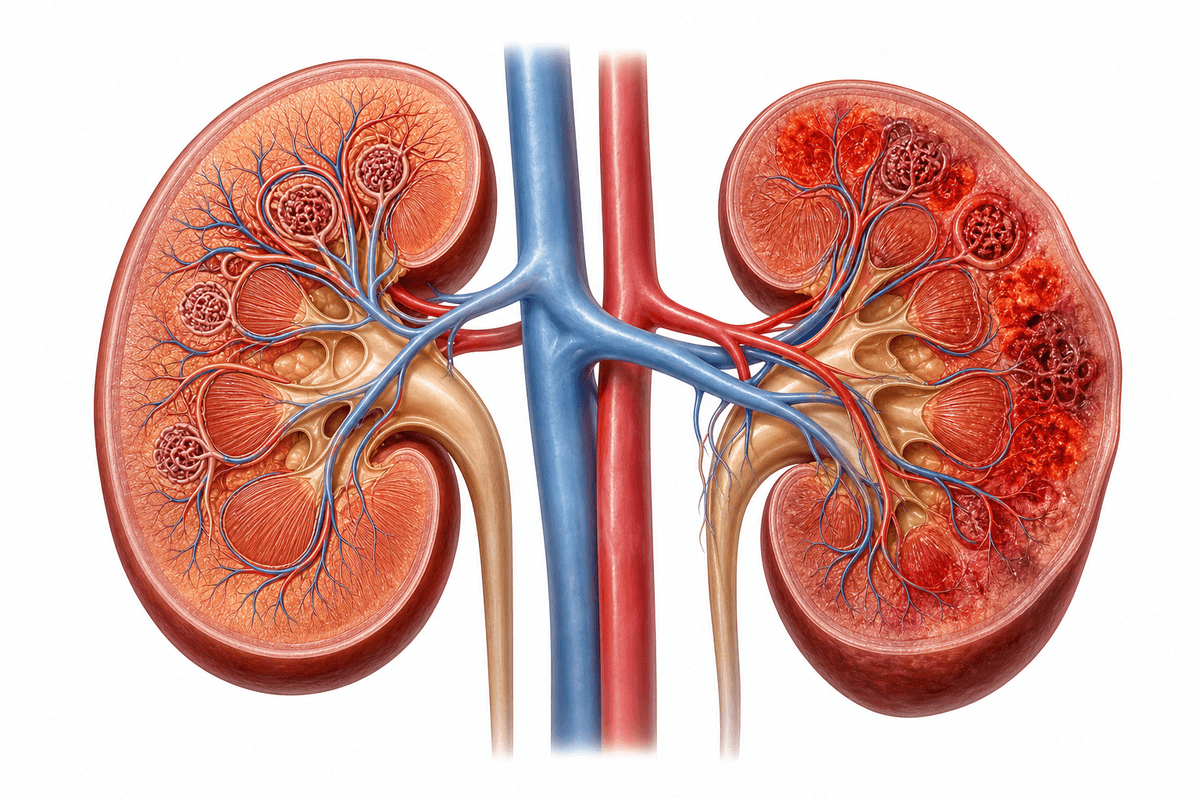
Kidney failure in Bengaluru is a serious condition where the kidneys lose their ability to filter waste products and excess fluids from the blood effectively. This can occur suddenly (acute kidney failure) or develop gradually over time (chronic kidney disease progressing to end-stage renal disease). Dr Sriharsha Gurram provides comprehensive nephrology care for all stages of kidney failure, offering advanced diagnostic evaluations and personalized treatment plans including dialysis and kidney transplantation.
Sudden loss of kidney function occurring over hours to days, often reversible with prompt treatment. Commonly caused by severe infections, dehydration, medications, or acute medical conditions requiring immediate intervention.
Gradual deterioration of kidney function over months to years, progressing through five stages. Often results from diabetes, hypertension, or glomerulonephritis, requiring long-term management to slow progression.
Final stage of chronic kidney disease where kidneys function at less than 15% capacity. Requires renal replacement therapy through dialysis or kidney transplantation to sustain life and maintain quality of living.
Multiple factors can contribute to the development and progression of this condition.
Kidney Failure develops gradually. Recognising symptoms early gives you more treatment options.
From conservative to surgical — we always start with the least invasive option first.
A structured, patient-first approach from first visit to full recovery.
Dr Sriharsha Gurram conducts detailed evaluation including complete medical history, physical examination, blood tests to assess kidney function (creatinine, eGFR, electrolytes), urine analysis, and imaging studies (ultrasound or CT scan) to determine the stage and underlying cause of kidney failure.
Based on diagnostic findings, Dr Gurram develops an individualized treatment strategy addressing the specific cause and stage of kidney failure, optimizing management of underlying conditions like diabetes and hypertension, and discussing all available treatment modalities including conservative management, dialysis options, and transplantation eligibility.
For patients requiring renal replacement therapy, Dr Gurram coordinates timely creation of vascular access for hemodialysis or peritoneal catheter insertion, ensures proper patient education about dialysis procedures, and closely monitors dialysis adequacy, fluid status, and nutritional parameters throughout treatment.
Dr Sriharsha Gurram provides continuous monitoring with regular clinic visits, laboratory testing, and adjustments to medications and dialysis prescriptions as needed. He manages complications such as anemia, bone disease, cardiovascular issues, and coordinates transplant evaluation for eligible patients to achieve optimal long-term outcomes.
What to expect at each phase of recovery.
First 2-4 weeks focus on stabilizing kidney function, correcting fluid and electrolyte imbalances, managing uremia symptoms, and initiating appropriate renal replacement therapy if indicated. Patients learn about dietary restrictions and medication regimens essential for kidney health.
Over 3-6 months, patients adapt to dialysis schedules if required, achieve target dry weight and optimal fluid balance, experience improvement in uremic symptoms, and develop confidence in self-management. Regular adjustments ensure treatment adequacy and minimize complications.
Ongoing management focuses on maintaining stable kidney function or dialysis adequacy, preventing complications, optimizing quality of life, and evaluating for kidney transplantation. Patients establish regular follow-up routines and achieve stable health parameters with continuous nephrologist support.
Effective treatment leads to resolution of uremic symptoms including fatigue, nausea, itching, and fluid overload, significantly improving daily functioning and overall quality of life for patients with kidney failure.
For chronic kidney disease patients, appropriate medical management can slow disease progression, delay need for dialysis, and preserve remaining kidney function for extended periods through careful control of underlying conditions.
Patients on dialysis achieve adequate toxin removal, maintain proper fluid balance, manage complications effectively, and experience improved survival and quality of life with properly prescribed and monitored renal replacement therapy.
Kidney transplant recipients achieve restoration of normal kidney function, freedom from dialysis, improved survival rates, and significantly enhanced quality of life with appropriate immunosuppression and follow-up care.
Untreated kidney failure leads to dangerous accumulation of toxins and fluid in the body, causing life-threatening complications including severe electrolyte imbalances, pulmonary edema, heart failure, and uremic encephalopathy. Without renal replacement therapy, end-stage kidney disease is fatal within days to weeks. Early intervention is essential to prevent irreversible complications and preserve quality of life.
Seek immediate medical attention if you experience sudden decrease in urine output, severe swelling in legs or face, persistent nausea and vomiting, confusion, chest pain, or extreme fatigue. Patients with diabetes, hypertension, or family history of kidney disease should have regular kidney function screening. Early detection and treatment by a nephrologist like Dr Sriharsha Gurram can significantly slow disease progression and improve outcomes.
Early treatment means more options and better outcomes. Book a consultation to understand your condition and explore the right path forward.
Consult Sriharsha Gurram for Kidney Failure at any of these 2 centres — pick the one nearest you.