Treated by Dr. Sriharsha Gurram at Dr Sriharsha Gurram
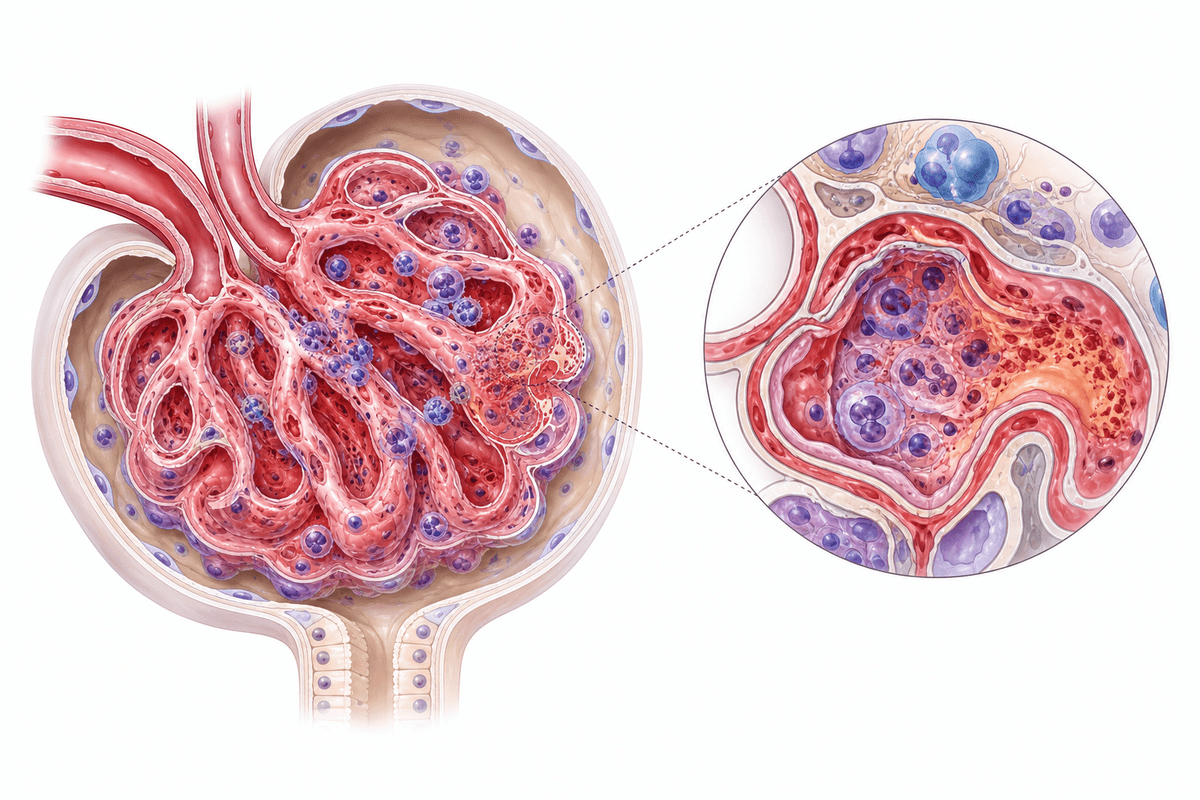
ANCA Associated Vasculitis in Bengaluru is a rare autoimmune condition where the immune system attacks small blood vessels, particularly affecting the kidneys, lungs, and other organs. This group of diseases includes granulomatosis with polyangiitis, microscopic polyangiitis, and eosinophilic granulomatosis with polyangiitis, requiring prompt diagnosis and specialized treatment. Dr Sriharsha Gurram provides comprehensive nephrology care for patients with ANCA-associated vasculitis, utilizing advanced diagnostic techniques and evidence-based immunosuppressive therapies.
Formerly called Wegener's granulomatosis, this form affects small and medium blood vessels, primarily targeting the upper and lower respiratory tract and kidneys, causing granulomatous inflammation and necrotizing vasculitis with positive PR3-ANCA antibodies.
A necrotizing vasculitis affecting small blood vessels without granuloma formation, predominantly involving the kidneys and lungs, typically associated with MPO-ANCA antibodies and presenting with rapidly progressive glomerulonephritis and pulmonary capillaritis.
Previously known as Churg-Strauss syndrome, this condition features asthma, eosinophilia, and vasculitis affecting multiple organ systems, often associated with MPO-ANCA positivity and characterized by allergic manifestations preceding systemic vasculitis.
Multiple factors can contribute to the development and progression of this condition.
ANCA Associated Vasculitis develops gradually. Recognising symptoms early gives you more treatment options.
From conservative to surgical — we always start with the least invasive option first.
A structured, patient-first approach from first visit to full recovery.
Dr Sriharsha Gurram conducts detailed assessment including ANCA antibody testing (PR3 and MPO), kidney biopsy if indicated, urinalysis, chest imaging, and complete organ system evaluation to determine disease extent and severity, establishing a precise diagnosis and baseline for treatment.
Based on disease severity, organ involvement, and patient factors, Dr Gurram develops a personalized treatment protocol combining corticosteroids with appropriate immunosuppressive agents, considering rituximab or cyclophosphamide for induction therapy and planning maintenance strategies to achieve sustained remission.
Regular follow-up appointments include monitoring kidney function tests, urinalysis, ANCA titers, complete blood counts, and imaging studies to assess treatment response, detect early relapse, adjust immunosuppression, and manage medication side effects with proactive interventions.
Dr Gurram implements evidence-based maintenance protocols with medications like azathioprine or rituximab, coordinates multidisciplinary care with rheumatology and pulmonology specialists, provides patient education on disease self-monitoring, and adjusts therapy to prevent relapses while minimizing cumulative immunosuppression toxicity.
What to expect at each phase of recovery.
Intensive immunosuppression with high-dose corticosteroids and cyclophosphamide or rituximab aims to rapidly control active vasculitis, prevent irreversible organ damage, and achieve disease remission. Patients require frequent monitoring for treatment response and medication complications including infections and bone marrow suppression.
After achieving remission, treatment transitions to less toxic maintenance immunosuppression with agents like azathioprine or low-dose rituximab while gradually tapering corticosteroids. Focus shifts to maintaining remission, preventing relapses, and managing long-term complications of both the disease and treatment.
Lifelong monitoring continues even after successful treatment as ANCA vasculitis has relapse rates of 30-50%. Regular assessments of kidney function, urinalysis, ANCA levels, and clinical symptoms enable early detection of disease recurrence, allowing prompt intervention to prevent major organ damage and preserve quality of life.
With current immunosuppressive regimens, 75-90% of patients achieve initial remission within 6 months of treatment, with significant improvement in kidney function, resolution of active inflammation, and stabilization of organ damage when therapy is initiated promptly.
Early diagnosis and aggressive treatment can preserve kidney function in many patients, with 60-70% avoiding dialysis dependency if treatment begins before severe kidney damage occurs, though recovery depends on the degree of renal scarring at presentation.
Maintenance immunosuppression reduces relapse risk, though 30-50% of patients experience disease recurrence within 5 years. Regular monitoring enables early detection and prompt treatment of relapses, minimizing cumulative organ damage and improving long-term prognosis.
Successful treatment controls systemic symptoms including fatigue, pain, and organ-specific manifestations, allowing patients to return to normal activities. However, some may experience chronic complications from previous organ damage or treatment-related side effects requiring ongoing management.
Untreated ANCA-associated vasculitis leads to irreversible organ damage and high mortality, with median survival of only 5 months in severe cases. Progressive kidney failure necessitates permanent dialysis, while pulmonary hemorrhage can cause respiratory failure and death. Other complications include stroke, heart attack, permanent nerve damage, and blindness, making early recognition and aggressive treatment essential for survival and organ preservation.
Seek immediate medical attention if you experience blood in urine, coughing up blood, sudden severe shortness of breath, or rapidly worsening kidney function, as these suggest severe vasculitis requiring emergency treatment. Consult Dr Sriharsha Gurram if you have persistent unexplained symptoms including chronic sinusitis with bloody nasal discharge, prolonged fever with joint pain, unexplained weight loss, or new skin rashes, especially if combined with abnormal urine findings. Early diagnosis and treatment significantly improve outcomes and prevent irreversible organ damage.
Early treatment means more options and better outcomes. Book a consultation to understand your condition and explore the right path forward.
Consult Sriharsha Gurram for ANCA Associated Vasculitis at any of these 2 centres — pick the one nearest you.