Performed by Dr. Sriharsha Gurram at Dr Sriharsha Gurram
Renal biopsy in Bengaluru is a diagnostic procedure where a small sample of kidney tissue is removed for microscopic examination to diagnose kidney diseases, assess disease severity, and guide treatment decisions. This minimally invasive procedure uses imaging guidance to ensure precision and safety. Dr Sriharsha Gurram specializes in performing renal biopsies with advanced techniques to provide accurate diagnoses for patients with kidney disorders.
We believe in honest, upfront disclosure so you can make an informed decision.
A step-by-step look at what happens during this procedure.
The patient lies face down on the procedure table with a pillow under the abdomen to position the kidneys optimally for access.
Local anaesthetic is injected into the skin and tissues overlying the kidney to numb the biopsy site and ensure patient comfort during the procedure.
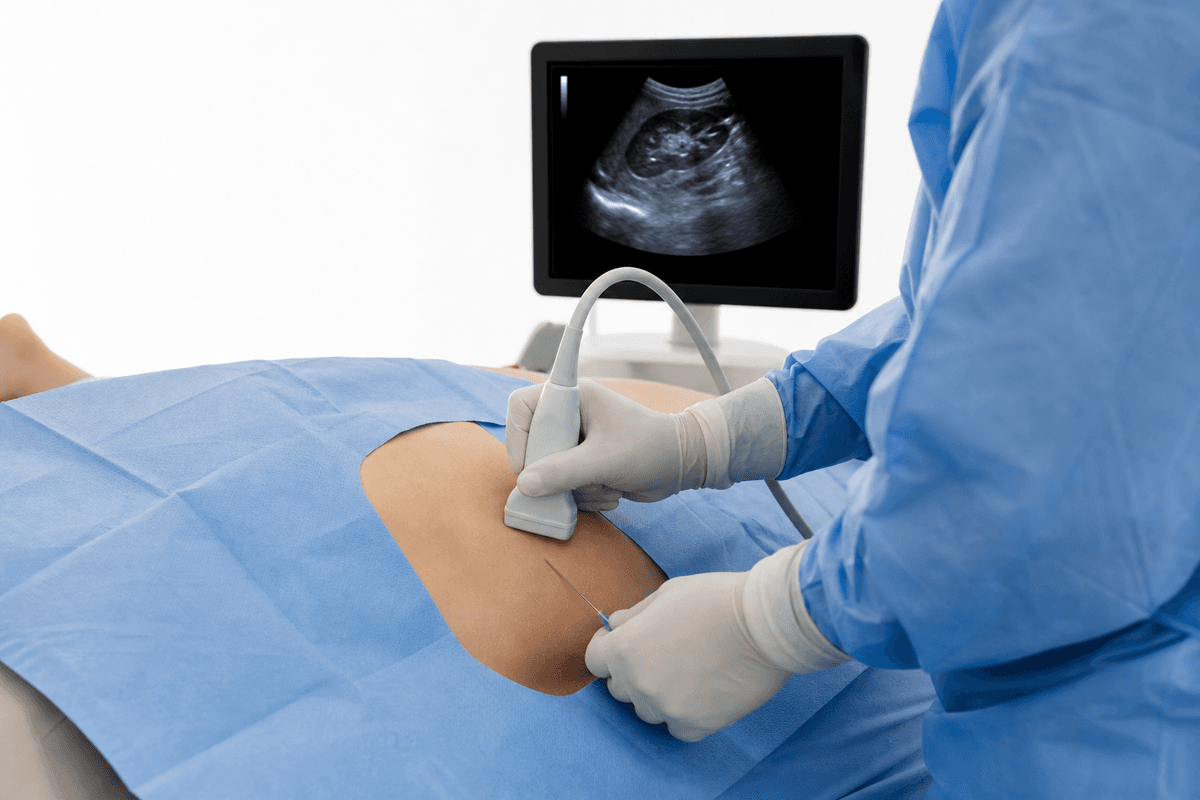
Real-time ultrasound imaging is used to locate the kidney precisely and identify the safest pathway for needle insertion while avoiding blood vessels.
A specialized biopsy needle is inserted through the skin into the kidney to obtain small tissue cores, typically 2-3 samples for comprehensive analysis.
The biopsy site is compressed to prevent bleeding, and the patient is monitored for several hours while lying flat to ensure hemostasis and detect any complications early.
A structured, patient-first approach from first consultation to full recovery.
Dr Sriharsha Gurram conducts thorough evaluation including review of kidney function tests, coagulation profile, and imaging studies to ensure patient safety and optimize biopsy success.
Using high-resolution ultrasound guidance, Dr Gurram precisely targets the kidney tissue while avoiding vascular structures, maximizing diagnostic yield and minimizing complications.
Dr Sriharsha Gurram ensures biopsy samples are properly processed for light microscopy, immunofluorescence, and electron microscopy, coordinating with specialized nephropathologists for accurate diagnosis.
Dr Gurram provides detailed post-procedure instructions, monitors patients for complications, and schedules follow-up consultations to discuss biopsy results and develop individualized treatment plans.
What to expect at each stage of your recovery journey.
Patient remains on bed rest for 6-8 hours post-procedure with vital signs monitoring. Mild blood in urine is common. Light activities only, avoiding heavy lifting or strenuous exercise. Pain is managed with mild analgesics.
Gradual return to normal activities with continued avoidance of heavy lifting, vigorous exercise, or contact sports. Urine color normalizes within 2-3 days. Patients monitor for any signs of bleeding, fever, or increasing pain.
Full resumption of normal activities including exercise after clearance from Dr Gurram. Follow-up appointment scheduled to discuss biopsy results and treatment plan. Any residual discomfort should resolve completely during this phase.
Renal biopsy provides definitive histopathological diagnosis of kidney diseases, enabling precise identification of conditions like glomerulonephritis, lupus nephritis, or transplant rejection that cannot be diagnosed through blood tests alone.
Detailed tissue analysis guides selection of appropriate immunosuppressive therapy, helps determine medication dosages, and identifies patients who will benefit from specific targeted treatments versus those requiring conservative management.
Biopsy findings reveal the extent of kidney damage, degree of scarring, and activity of disease processes, allowing physicians to predict disease progression and long-term kidney function outcomes.
Repeat biopsies when clinically indicated help assess response to therapy, detect early signs of disease recurrence, and guide decisions about continuing, modifying, or discontinuing immunosuppressive medications.
Let's clear up some of the most common myths about renal biopsy.
Get a personalised assessment from an experienced specialist. Understand your options, ask your questions, and decide with confidence.
Consult Sriharsha Gurram for Renal Biopsy at any of these 2 centres — pick the one nearest you.