Treated by Dr. Sriharsha Gurram at Dr Sriharsha Gurram
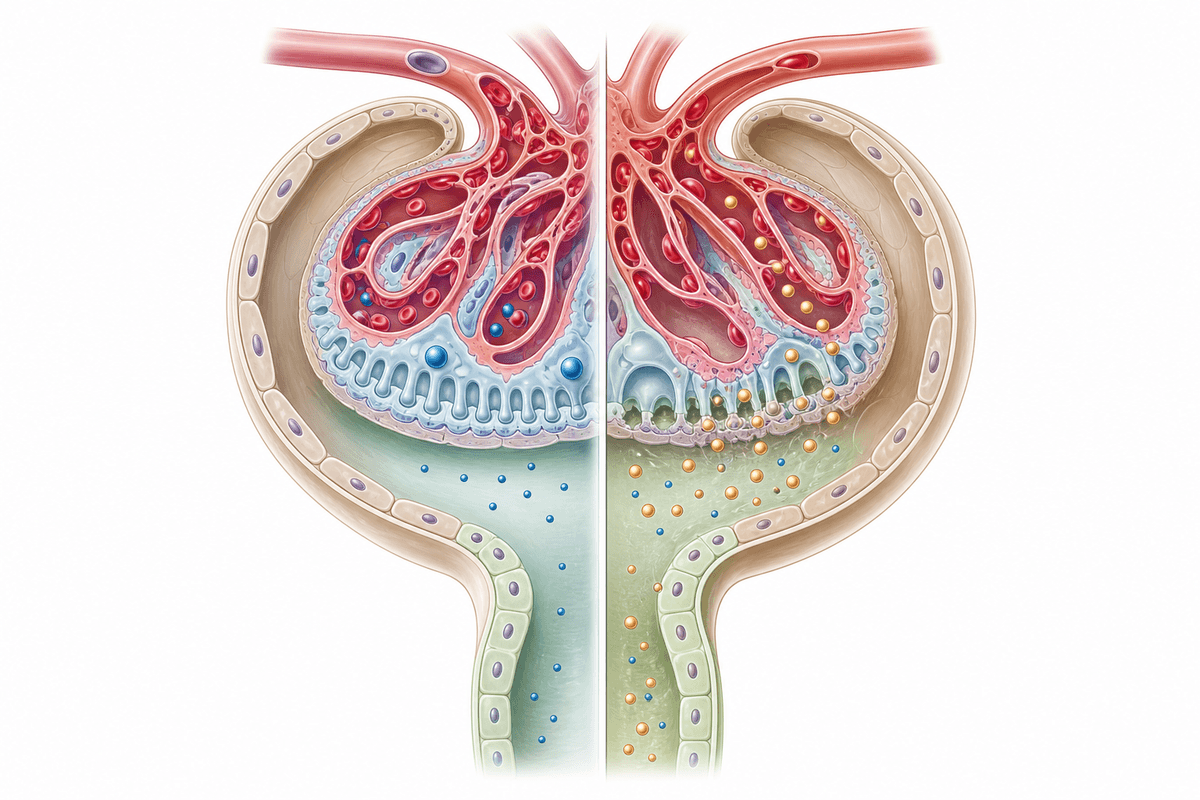
Proteinuria in Bengaluru refers to the presence of excess protein in the urine, often indicating kidney dysfunction or damage to the glomerular filtration system. This condition can range from temporary and benign to a sign of serious kidney disease requiring immediate intervention. Dr Sriharsha Gurram provides comprehensive evaluation and treatment for proteinuria through advanced nephrology care.
Temporary protein in urine caused by fever, exercise, stress, or dehydration that resolves without treatment once the underlying trigger is addressed.
Protein appears in urine only when standing upright, commonly seen in adolescents and young adults, typically benign with excellent prognosis.
Continuous protein excretion indicating underlying kidney disease such as glomerulonephritis, diabetic nephropathy, or chronic kidney disease requiring medical intervention.
Multiple factors can contribute to the development and progression of this condition.
Proteinuria develops gradually. Recognising symptoms early gives you more treatment options.
From conservative to surgical — we always start with the least invasive option first.
A structured, patient-first approach from first visit to full recovery.
Dr Sriharsha Gurram performs detailed urine analysis including spot protein-creatinine ratio, 24-hour urine collection, and blood tests to assess kidney function and identify underlying causes of proteinuria.
Advanced diagnostic workup including kidney ultrasound, serological testing for autoimmune conditions, and kidney biopsy when indicated to determine the specific type and cause of proteinuria.
Dr Sriharsha Gurram develops individualized management protocols combining lifestyle modifications, pharmacological interventions, and treatment of underlying conditions based on proteinuria severity and etiology.
Regular follow-up appointments with repeated urine protein measurements, kidney function assessment, and treatment optimization to prevent progression to chronic kidney disease and manage complications.
What to expect at each phase of recovery.
First 3-6 months focus on implementing treatment plan, monitoring response to medications, and establishing baseline kidney function with monthly follow-ups to assess protein reduction.
After initial response, proteinuria levels stabilize with continued medication adherence and lifestyle modifications. Follow-ups occur every 3-6 months with ongoing adjustments to optimize outcomes.
Sustained management focuses on preventing disease progression, maintaining kidney function, and regular monitoring every 6-12 months depending on stability and underlying condition severity.
With appropriate treatment, many patients achieve complete or near-complete resolution of proteinuria, particularly in cases of transient or orthostatic types, preventing kidney damage progression.
Early intervention and optimal management help maintain stable kidney function over years, significantly reducing the risk of progression to chronic kidney disease or renal failure.
Controlling proteinuria decreases associated cardiovascular complications, as protein in urine is an independent risk factor for heart disease and stroke in affected individuals.
Treatment reduces symptoms like edema and fatigue, allowing patients to maintain normal daily activities while preventing the physical and psychological burden of progressive kidney disease.
Untreated proteinuria can progress to chronic kidney disease, with accelerated decline in kidney function leading to end-stage renal disease requiring dialysis or transplantation. The condition also significantly increases cardiovascular disease risk, including heart attacks and strokes. Progressive proteinuria causes nephrotic syndrome with severe edema, infections, and blood clotting complications that can be life-threatening.
Seek immediate medical attention if you notice persistent foamy urine, unexplained swelling around eyes or ankles, or significant weight gain from fluid retention. Individuals with diabetes, hypertension, or family history of kidney disease should undergo regular screening for proteinuria. Early detection through routine urine testing allows Dr Sriharsha Gurram to intervene before irreversible kidney damage occurs.
Early treatment means more options and better outcomes. Book a consultation to understand your condition and explore the right path forward.
Consult Sriharsha Gurram for Proteinuria at any of these 2 centres — pick the one nearest you.