Treated by Dr. Sriharsha Gurram at Dr Sriharsha Gurram
Pediatric kidney diseases in Bengaluru encompass a wide range of conditions affecting kidney function in children, from congenital abnormalities to acquired disorders. These conditions can impact growth, development, and overall health, requiring specialized nephrology expertise. Early detection and appropriate management are crucial for preserving kidney function and ensuring optimal outcomes. Dr Sriharsha Gurram provides comprehensive pediatric nephrology care tailored to each child's unique needs.
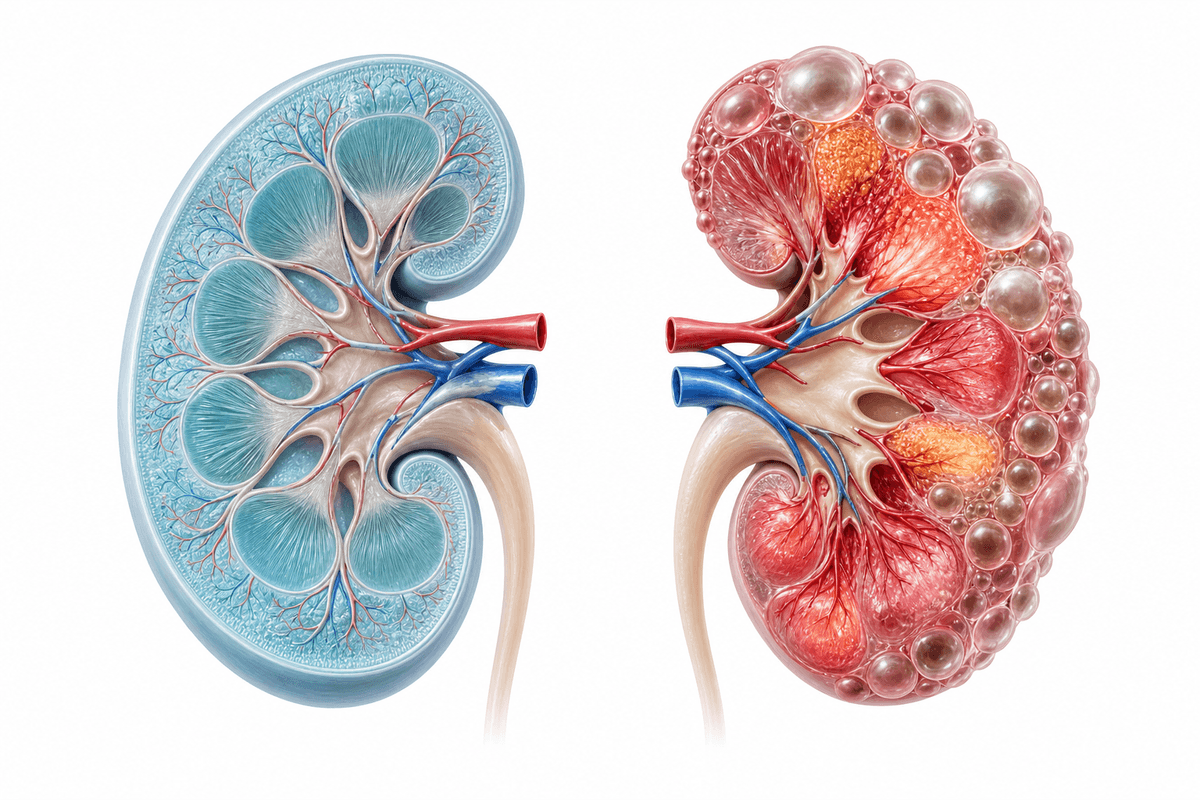
Structural abnormalities present at birth including kidney hypoplasia, dysplasia, polycystic kidney disease, and vesicoureteral reflux that may affect one or both kidneys and impact normal kidney development and function.
Conditions affecting the kidney's filtering units including nephrotic syndrome, glomerulonephritis, and IgA nephropathy, characterized by protein loss, hematuria, and progressive kidney damage requiring immunosuppressive therapy.
Sudden decline in kidney function caused by dehydration, infections, medications, or systemic illness, potentially reversible with prompt intervention but may progress to chronic kidney disease if severe or recurrent.
Multiple factors can contribute to the development and progression of this condition.
Pediatric Kidney Diseases develops gradually. Recognising symptoms early gives you more treatment options.
From conservative to surgical — we always start with the least invasive option first.
A structured, patient-first approach from first visit to full recovery.
Dr Sriharsha Gurram conducts thorough clinical evaluation including detailed history, physical examination, and age-appropriate investigations such as blood tests, urine analysis, and kidney imaging to accurately diagnose the specific pediatric kidney condition and assess severity.
Dr Sriharsha Gurram develops individualized treatment strategies considering the child's age, kidney function stage, growth parameters, and family circumstances, incorporating medical management, dietary modifications, and coordinating with pediatric subspecialists when needed.
Dr Sriharsha Gurram manages dialysis initiation, vascular access procedures, and transplant referrals when indicated, ensuring seamless transitions between treatment modalities while maintaining continuous monitoring of kidney function and treatment response.
Dr Sriharsha Gurram provides ongoing monitoring through regular clinic visits, adjusting medications as needed, tracking growth and development milestones, and offering family education and psychological support to ensure optimal long-term outcomes and quality of life.
What to expect at each phase of recovery.
Initial treatment period focusing on controlling symptoms, stabilizing kidney function, and optimizing growth parameters through medication adjustments, dietary modifications, and close monitoring of clinical and laboratory parameters over weeks to months.
Long-term management period with regular follow-up visits every 1-3 months to monitor kidney function, adjust treatments, prevent complications, and ensure normal growth and development while maintaining stable kidney function and quality of life.
Planned transition process for adolescents moving to adult nephrology services, involving gradual transfer of care responsibilities, education about self-management, and coordination between pediatric and adult nephrology teams to ensure continuity of care.
Early diagnosis and appropriate treatment can slow or halt progression of kidney disease, maintaining adequate kidney function and avoiding or delaying need for dialysis or transplantation in many children.
Optimal management of pediatric kidney disease with proper nutrition, medications, and hormone therapy when needed enables children to achieve normal height, weight, and developmental milestones despite their kidney condition.
Comprehensive treatment approaches including symptom control, family support, and appropriate interventions allow children to participate in school, sports, and social activities while managing their kidney disease effectively.
For children requiring kidney transplantation, proper pre-transplant management and post-transplant care achieve excellent graft survival rates and restoration of normal kidney function with improved long-term prognosis.
Untreated pediatric kidney diseases can progress to chronic kidney failure, requiring dialysis or transplantation with significant impact on growth, development, and quality of life. Children may experience complications including severe hypertension, anemia, bone disease, and cardiovascular problems. Early intervention is crucial to prevent irreversible kidney damage and optimize long-term outcomes.
Parents should seek immediate medical attention if their child develops persistent swelling, blood in urine, significant decrease in urine output, or unexplained high blood pressure. Children with known kidney conditions require regular nephrology follow-up, but urgent consultation is needed for fever with urinary symptoms, severe abdominal pain, or sudden changes in urination patterns.
Early treatment means more options and better outcomes. Book a consultation to understand your condition and explore the right path forward.
Consult Sriharsha Gurram for Pediatric Kidney Diseases at any of these 2 centres — pick the one nearest you.