Treated by Dr. Sriharsha Gurram at Dr Sriharsha Gurram
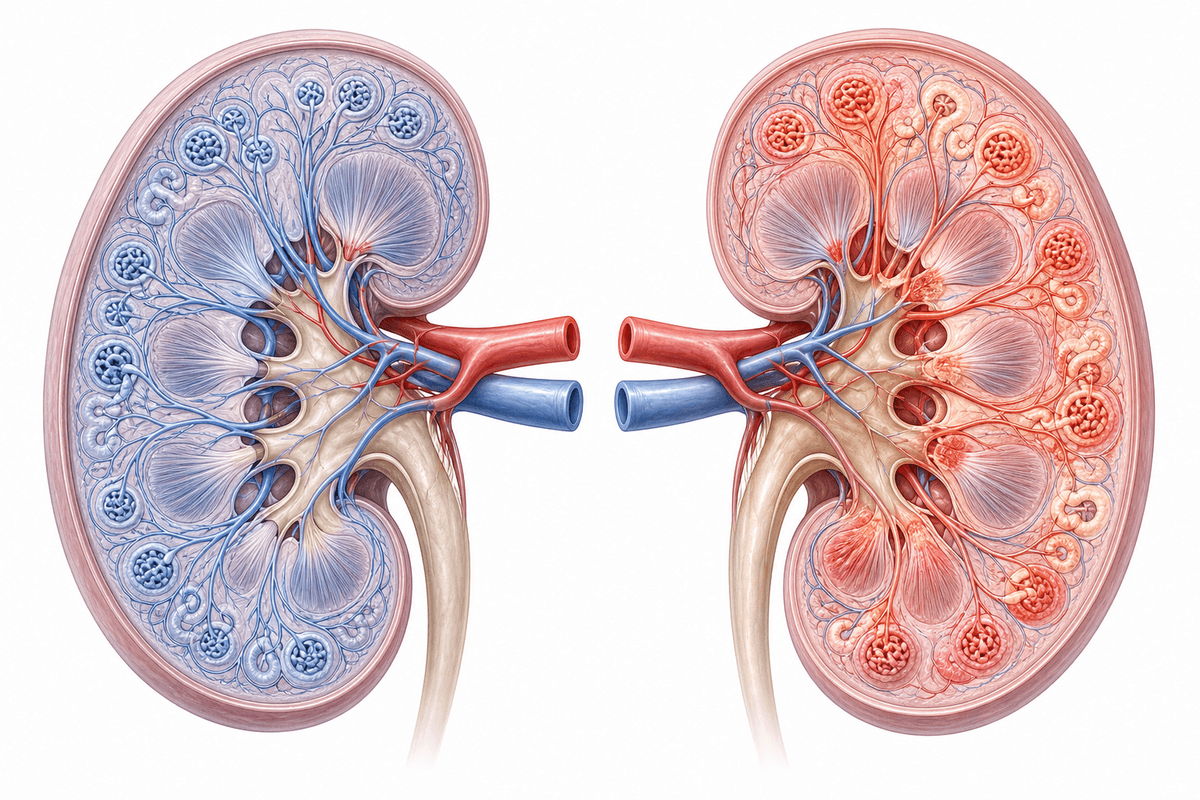
Acute Kidney Injury (AKI) is a sudden decline in kidney function that occurs within hours to days, commonly affecting patients in Bengaluru due to dehydration, infections, or medication toxicity. The condition is characterized by the kidneys' inability to filter waste products and maintain fluid and electrolyte balance. Dr Sriharsha Gurram provides comprehensive nephrology care for AKI patients, utilizing advanced diagnostic tools and evidence-based treatment protocols to restore kidney function and prevent long-term complications.
Caused by decreased blood flow to the kidneys due to dehydration, heart failure, or low blood pressure. This is the most common type and is often reversible with prompt fluid resuscitation and addressing the underlying cause.
Results from direct damage to kidney tissue from conditions like acute tubular necrosis, glomerulonephritis, or interstitial nephritis. This type requires specific treatments targeting the underlying kidney pathology and may involve immunosuppressive therapy.
Occurs due to obstruction in the urinary tract from kidney stones, enlarged prostate, or tumors. Relief of the obstruction through catheterization or surgical intervention typically leads to recovery of kidney function.
Multiple factors can contribute to the development and progression of this condition.
Acute Kidney Injury (AKI) develops gradually. Recognising symptoms early gives you more treatment options.
From conservative to surgical — we always start with the least invasive option first.
A structured, patient-first approach from first visit to full recovery.
Dr Sriharsha Gurram conducts a thorough evaluation including detailed history, physical examination, and immediate laboratory tests including serum creatinine, electrolytes, urinalysis, and renal ultrasound to determine the type and severity of AKI and identify reversible causes.
Based on diagnostic findings, Dr Gurram develops an individualized treatment protocol addressing fluid status, electrolyte imbalances, and underlying causes while discontinuing nephrotoxic medications and adjusting doses of essential drugs according to kidney function.
Continuous monitoring of kidney function markers, urine output, and clinical status allows Dr Gurram to make timely adjustments to therapy and initiate dialysis when indicated for complications like severe hyperkalemia, pulmonary edema, or uremic symptoms.
Dr Sriharsha Gurram provides close follow-up during the recovery phase with serial kidney function testing, guidance on nephroprotective measures, and education on preventing future episodes through hydration, medication awareness, and management of chronic conditions.
What to expect at each phase of recovery.
During the first 24-72 hours, intensive monitoring and treatment focus on stabilizing kidney function, correcting life-threatening electrolyte abnormalities, and addressing the underlying cause. Daily laboratory testing tracks improvement or progression of kidney injury.
As kidney function begins to recover, usually within 1-3 weeks, urine output often increases significantly requiring careful fluid and electrolyte replacement. Dialysis frequency is reduced or discontinued as the kidneys regain their filtering capacity.
Following discharge, regular nephrology appointments over 3-6 months monitor complete recovery of kidney function through blood tests and ensure prevention strategies are in place. Some patients may have residual kidney impairment requiring ongoing nephrology care.
Approximately 60-70% of AKI patients achieve full recovery of kidney function to baseline levels within weeks to months, particularly those with prerenal causes who receive prompt treatment and have no underlying chronic kidney disease.
About 20-30% of patients experience partial recovery with some residual kidney impairment, requiring ongoing monitoring and nephroprotective strategies to prevent progression to chronic kidney disease and future AKI episodes.
A proportion of AKI patients, particularly those with severe or recurrent episodes, may develop chronic kidney disease requiring long-term nephrology management, dietary modifications, and potential preparation for renal replacement therapy.
With proper education, medication management, and lifestyle modifications implemented during recovery, patients can significantly reduce their risk of subsequent AKI episodes and protect their remaining kidney function through preventive measures.
Untreated acute kidney injury can rapidly progress to life-threatening complications including severe hyperkalemia causing cardiac arrest, pulmonary edema from fluid overload leading to respiratory failure, and uremic encephalopathy resulting in seizures or coma. The accumulation of metabolic wastes and toxins affects multiple organ systems, potentially causing irreversible damage. Delayed treatment significantly increases the risk of permanent kidney damage, progression to chronic kidney disease requiring lifelong dialysis, and substantially higher mortality rates.
Seek immediate medical attention if you experience a significant decrease in urine output, notice swelling in your legs or face, develop confusion or extreme fatigue, or have persistent nausea and vomiting, especially after surgery, infection, or starting new medications. Patients with diabetes, heart failure, or chronic kidney disease should be particularly vigilant and contact Dr Sriharsha Gurram promptly if they notice any changes in urination patterns or develop symptoms during illness or dehydration. Early recognition and treatment of AKI dramatically improve outcomes and prevent serious complications.
Early treatment means more options and better outcomes. Book a consultation to understand your condition and explore the right path forward.
Consult Sriharsha Gurram for Acute Kidney Injury (AKI) at any of these 2 centres — pick the one nearest you.