Treated by Dr. Sriharsha Gurram at Dr Sriharsha Gurram
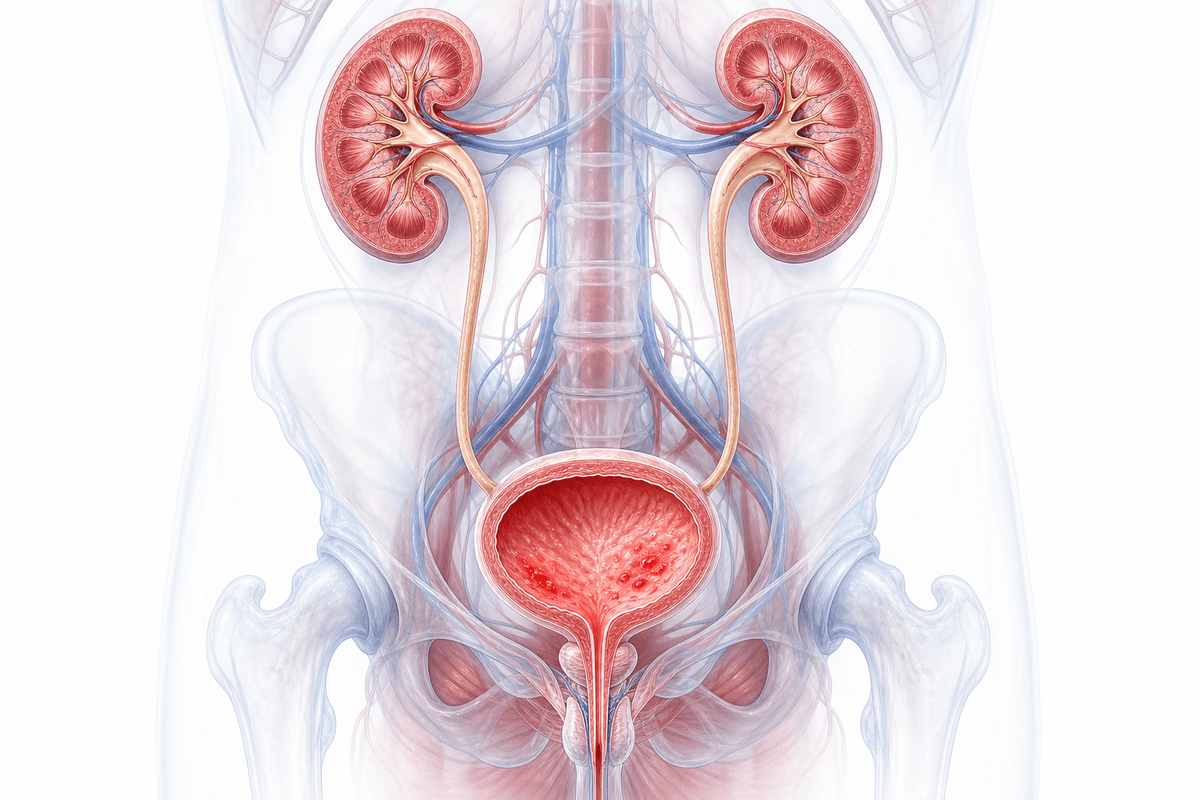
Urinary Tract Infection (UTI) is a common bacterial infection affecting the urinary system, frequently seen in patients across Bengaluru. These infections can range from simple bladder infections to more complex kidney involvement, requiring prompt medical attention to prevent complications. Dr Sriharsha Gurram provides comprehensive nephrology-focused UTI management for patients experiencing recurrent or complicated urinary tract infections.
Infection confined to the bladder and urethra, characterized by frequent urination, burning sensation, and lower abdominal discomfort. Most common type of UTI.
Infection involving the kidneys, presenting with fever, back pain, and systemic symptoms. Requires urgent medical attention to prevent kidney damage.
Infections occurring in patients with structural abnormalities, catheter use, kidney stones, diabetes, or immunocompromised status requiring specialized nephrology management.
Multiple factors can contribute to the development and progression of this condition.
Urinary Tract Infection (UTI) develops gradually. Recognising symptoms early gives you more treatment options.
From conservative to surgical — we always start with the least invasive option first.
A structured, patient-first approach from first visit to full recovery.
Dr Sriharsha Gurram conducts detailed history taking and physical examination to assess UTI symptoms, identify risk factors, and evaluate for complications requiring urgent intervention.
Urine analysis, culture and sensitivity testing, and imaging studies when indicated are performed to confirm infection, identify causative organisms, and detect underlying structural abnormalities or kidney involvement.
Based on diagnostic results, Dr Gurram develops personalized treatment protocols including appropriate antibiotic selection, duration determination, and management of predisposing factors like diabetes or immunosuppression.
Post-treatment urine testing confirms infection clearance, while Dr Gurram implements preventive strategies for recurrent UTI patients including lifestyle modifications, prophylactic measures, and management of underlying conditions.
What to expect at each phase of recovery.
Symptom improvement typically begins within 48-72 hours of appropriate antibiotic therapy. Most patients experience significant relief of dysuria, frequency, and urgency during this initial phase with complete symptom resolution expected.
Full antibiotic course completion ensures bacterial eradication. Follow-up urine culture may be performed in complicated cases or pregnancy. Patients return to normal activities with resolution of all symptoms and inflammatory markers.
For recurrent UTI patients, ongoing preventive strategies are implemented including behavioral modifications, adequate hydration, and prophylactic measures. Regular nephrology follow-up monitors kidney function and prevents complications.
Over 90% of uncomplicated UTIs respond to appropriate antibiotic therapy with complete symptom resolution and negative follow-up cultures within 1-2 weeks of treatment initiation.
Prompt treatment of upper UTIs and pyelonephritis prevents permanent kidney scarring, chronic kidney disease, and long-term renal function deterioration through timely intervention.
Implementation of preventive strategies including prophylactic antibiotics when appropriate, lifestyle modifications, and management of predisposing factors significantly reduces recurrent UTI episodes.
Effective UTI management eliminates debilitating symptoms, prevents complications, and allows patients to resume normal daily activities without the anxiety of recurrent infections.
Untreated UTIs can ascend to the kidneys causing pyelonephritis, potentially leading to permanent kidney damage, sepsis, and life-threatening complications. Recurrent untreated infections may result in chronic kidney disease, kidney scarring, and increased risk of kidney failure requiring dialysis. Pregnant women with untreated UTIs face risks of premature delivery and low birth weight infants.
Seek immediate medical attention if you experience fever above 101°F with flank pain, bloody urine, inability to urinate, or symptoms persisting beyond 2-3 days. Patients with diabetes, kidney disease, pregnancy, or immunocompromised status should consult Dr Sriharsha Gurram promptly upon first UTI symptoms. Recurrent UTIs occurring more than 2-3 times yearly warrant nephrology evaluation for underlying causes.
Early treatment means more options and better outcomes. Book a consultation to understand your condition and explore the right path forward.
Consult Sriharsha Gurram for Urinary Tract Infection (UTI) at any of these 2 centres — pick the one nearest you.