Treated by Dr. Sriharsha Gurram at Dr Sriharsha Gurram
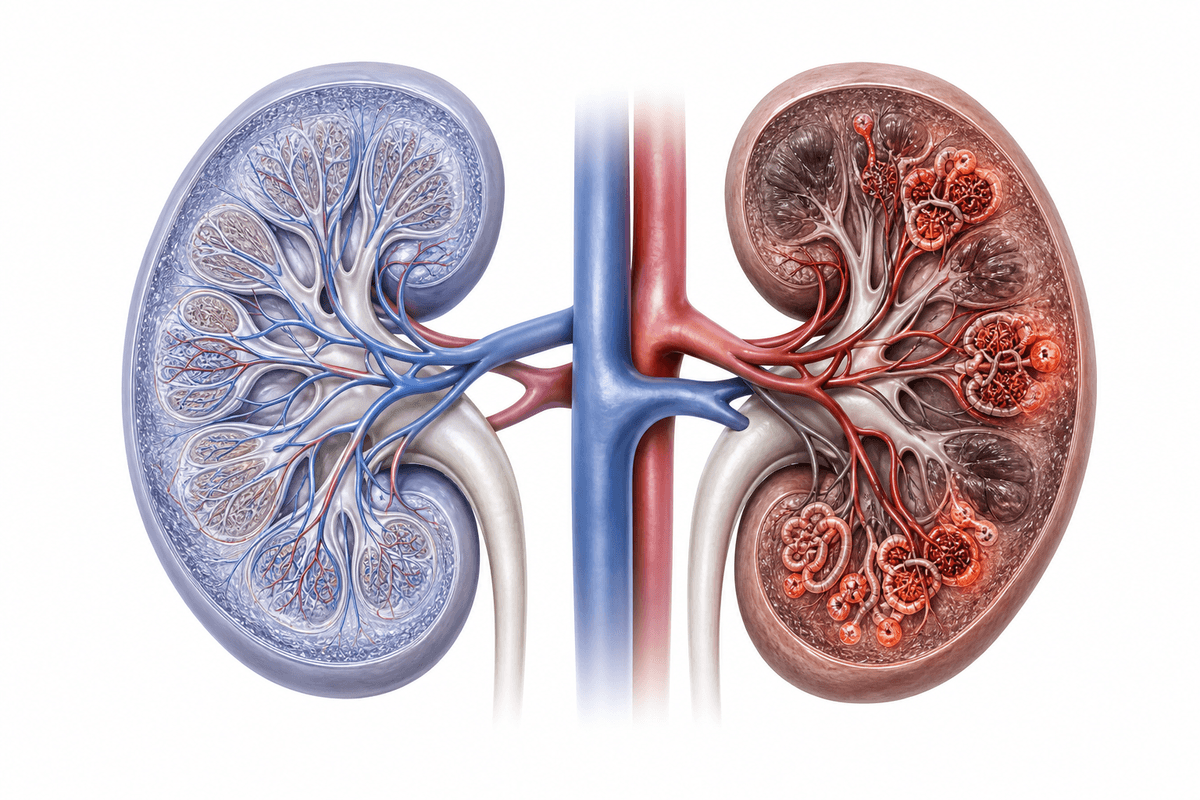
Acute Renal Failure, also known as acute kidney injury (AKI), is a sudden decline in kidney function that occurs in Bengaluru and worldwide, affecting patients of all ages. This condition develops over hours to days, causing waste products and fluids to accumulate in the blood. Dr Sriharsha Gurram provides comprehensive nephrology care for patients experiencing acute renal failure at his Bengaluru clinic.
Caused by decreased blood flow to the kidneys due to dehydration, blood loss, heart failure, or medications that reduce renal perfusion. This is the most common type and is often reversible with prompt treatment.
Results from direct damage to kidney tissue caused by conditions like acute tubular necrosis, glomerulonephritis, interstitial nephritis, or vascular disorders. Requires targeted treatment of the underlying kidney pathology.
Occurs when urine flow is obstructed anywhere along the urinary tract, including kidney stones, tumors, enlarged prostate, or bladder dysfunction. Relief of obstruction is crucial for kidney recovery.
Multiple factors can contribute to the development and progression of this condition.
Acute Renal Failure develops gradually. Recognising symptoms early gives you more treatment options.
From conservative to surgical — we always start with the least invasive option first.
A structured, patient-first approach from first visit to full recovery.
Dr Sriharsha Gurram conducts thorough evaluation including detailed history, physical examination, blood tests for creatinine and electrolytes, urinalysis, and imaging studies to identify the type and cause of acute renal failure.
Based on diagnostic findings, Dr Gurram develops an individualized treatment plan addressing the underlying cause, managing complications, and determining if dialysis support is necessary for recovery.
Continuous monitoring of kidney function markers, fluid balance, electrolytes, and overall clinical status allows Dr Gurram to adjust treatment protocols promptly and optimize recovery outcomes.
As kidney function improves, Dr Gurram carefully transitions patients off dialysis if applicable, addresses any residual kidney impairment, and establishes long-term monitoring protocols to prevent recurrence and protect kidney health.
What to expect at each phase of recovery.
The first 1-2 weeks focus on stabilizing kidney function, managing complications, and addressing the underlying cause. Patients may require hospitalization with intensive monitoring, dialysis support, and fluid management until kidney function begins to recover.
Over 2-8 weeks, kidney function gradually improves as the underlying cause is resolved. Dialysis frequency may be reduced or discontinued, dietary restrictions are adjusted, and patients transition from hospital to outpatient care with regular monitoring.
After initial recovery, patients require ongoing follow-up for 3-12 months to ensure complete kidney function restoration and prevent chronic kidney disease. Regular blood tests, blood pressure monitoring, and lifestyle modifications are essential for optimal outcomes.
With prompt treatment, 60-70% of patients achieve full recovery of kidney function, returning to baseline creatinine levels within weeks to months. Early intervention and addressing the underlying cause are key to this outcome.
Some patients experience partial recovery, maintaining stable kidney function at a lower level than baseline. These patients require ongoing monitoring and kidney-protective strategies to prevent progression to chronic kidney disease.
A small percentage of patients may require temporary or permanent dialysis support. Continued nephrology care focuses on optimizing dialysis adequacy, managing complications, and evaluating for potential kidney transplantation if needed.
Through comprehensive follow-up care, medication adjustments, and patient education, Dr Gurram helps patients minimize the risk of future acute kidney injury episodes and preserve long-term kidney health.
Untreated acute renal failure can rapidly progress to life-threatening complications including severe electrolyte imbalances, fluid overload causing pulmonary edema, uremic encephalopathy, and cardiac arrhythmias. Without intervention, toxin accumulation can lead to multi-organ failure and death. Even if patients survive, delayed treatment significantly increases the risk of permanent kidney damage and progression to chronic kidney disease requiring lifelong dialysis.
Seek immediate medical attention if you experience significantly decreased urine output, swelling in legs or face, unexplained fatigue, nausea with vomiting, confusion, or shortness of breath, especially after severe illness, dehydration, or starting new medications. Patients with diabetes, heart disease, or existing kidney problems should be particularly vigilant and contact Dr Sriharsha Gurram promptly if any concerning symptoms develop. Early intervention is critical for optimal recovery and preventing permanent kidney damage.
Early treatment means more options and better outcomes. Book a consultation to understand your condition and explore the right path forward.
Consult Sriharsha Gurram for Acute Renal Failure at any of these 2 centres — pick the one nearest you.