Performed by Dr. Sriharsha Gurram at Dr Sriharsha Gurram
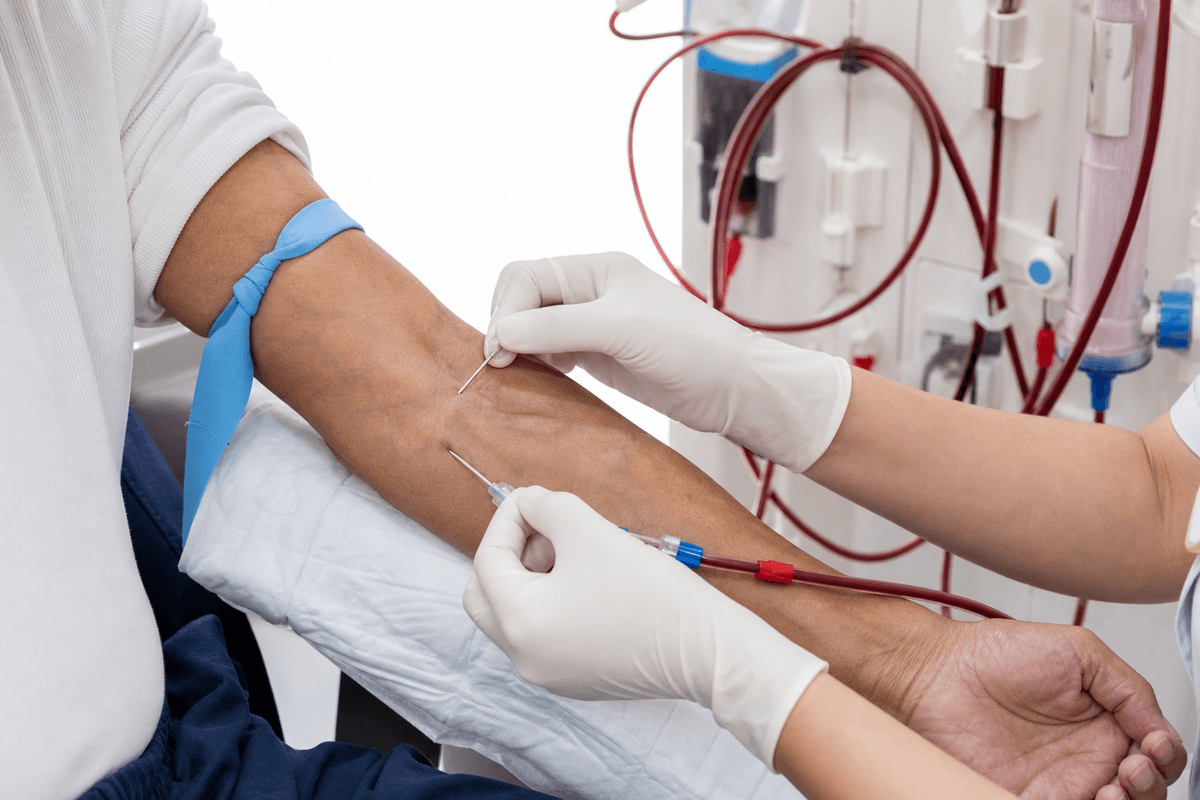
AVF Cannulation in Bengaluru is a specialized technique for accessing arteriovenous fistulas to perform hemodialysis in patients with kidney failure. This procedure requires skilled hands to ensure proper needle placement while preserving the fistula's longevity and preventing complications. Dr Sriharsha Gurram provides expert cannulation techniques with a focus on patient comfort and vascular access preservation.
We believe in honest, upfront disclosure so you can make an informed decision.
A step-by-step look at what happens during this procedure.
The healthcare provider examines the AVF by palpating for thrill and auscultating for bruit to confirm adequate maturation and blood flow before cannulation.
The access site is cleaned with antiseptic solution and allowed to dry completely. Topical anesthetic may be applied to minimize discomfort during needle insertion.
Two needles are inserted into the fistula using proper technique - an arterial needle for drawing blood and a venous needle for returning cleaned blood, positioned in the direction of blood flow.
The cannulas are securely connected to the dialysis machine tubing, and blood flow is initiated. The connection sites are checked for proper positioning and adequate flow rates.
Throughout the dialysis session, the access site is monitored for signs of infiltration, adequate flow, and any complications. Needle positioning is verified to ensure optimal dialysis efficiency.
A structured, patient-first approach from first consultation to full recovery.
Dr Sriharsha Gurram personally evaluates each patient's AVF before cannulation, checking for maturation, assessing vessel mapping, and identifying the optimal cannulation sites to maximize fistula longevity.
Using buttonhole or rope-ladder techniques based on individual patient needs, Dr Gurram ensures proper needle placement with minimal trauma, reducing complications and preserving the fistula for long-term use.
Dr Gurram employs appropriate anesthetic techniques and gentle insertion methods to minimize patient discomfort, making each dialysis session as comfortable as possible while maintaining technical precision.
Patients receive comprehensive training on fistula care, recognition of complications, and self-monitoring techniques. Dr Gurram's team provides ongoing support to ensure optimal access management between sessions.
What to expect at each stage of your recovery journey.
After needle removal, pressure is applied to puncture sites until complete hemostasis is achieved, typically within 10-20 minutes. Patients are monitored for bleeding or hematoma formation before discharge.
Patients should keep puncture sites clean and dry, avoid heavy lifting with the access arm, and monitor for signs of infection or excessive bleeding. Normal daily activities can typically resume with precautions.
Regular fistula assessment between dialysis sessions includes checking for thrill, observing for swelling or redness, and maintaining proper hygiene. Patients return for the next scheduled dialysis session, typically within 1-3 days.
Proper cannulation enables effective hemodialysis with adequate blood flow rates, ensuring efficient toxin removal and fluid management for patients with kidney failure.
Expert cannulation techniques preserve fistula integrity and promote long-term patency, reducing the need for additional vascular access procedures and associated complications.
Skilled needle placement minimizes risks of infiltration, hematoma formation, aneurysm development, and infection, leading to better patient outcomes and fewer access-related hospitalizations.
Consistent, comfortable cannulation experiences reduce anxiety around dialysis sessions and enable patients to maintain regular treatment schedules essential for managing end-stage renal disease effectively.
Let's clear up some of the most common myths about avf cannulation.
Get a personalised assessment from an experienced specialist. Understand your options, ask your questions, and decide with confidence.
Consult Sriharsha Gurram for AVF Cannulation at any of these 2 centres — pick the one nearest you.